The Softer Side of Resolutions
Rethinking our goals with simpler activities
Be it Resolved…
New Year’s resolutions go in and out of favour. I used to hate them on principle, wondering why we would set ourselves up to fail (88% of people who make resolutions fail to keep them!). But then I found myself needing them for motivation and it became all about having a meaningful goal to work toward. Sometimes my resolutions were personal and kept to myself, and at other times I shared them so I could be kept accountable.
Then, as our kids got older, our family (which in this case includes two beloved “uncles”) turned resolutions into a group activity. One year each person made a resolution for every member of our group; another year, we assigned each other a list of movies to watch over the coming twelve months. That one did not go well - it seemed easy but not a single person made it through their list.
This year, we scrapped the lists altogether and gathered around the dining table with glue sticks, poster boards, magazines, and much curiosity for the year ahead. Each of us created a 2026 mood board; images and words that spoke to what we want for ourselves and explore things we might grow into. We weren’t looking for specific imagery so much as noticing what resonated. The images and words emerged through recognition, choosing us rather than the other way around. After a few eye rolls, it turned into a fun and meaningful way to share our ideas together and begin the year with intention.
Improvement, Without the Grind
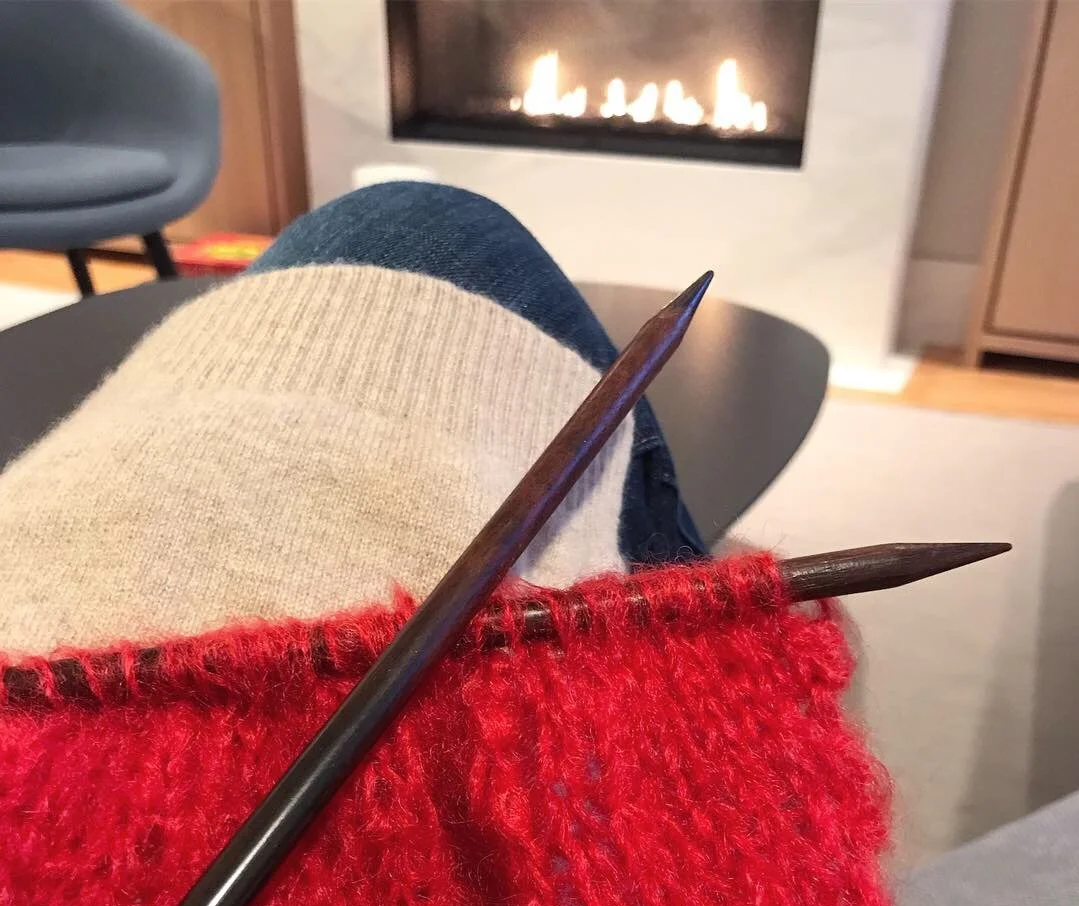
Typically, resolutions are focused on making amends with our health in its most familiar forms: moving more, consuming differently, or going to bed earlier. All of these habits matter, of course, but wellbeing can also come from tending to small, quiet practices that ask very little of us and give quite a lot in return. For me, knitting is one of those. The steady movement of my hands, the repetition of each row, and the calming rhythm of knitting stitches can shift my mind into a more grounded state.
We often imagine health resolutions as something grand: running a marathon, climbing something tall, or overhauling our entire routine. But caring for our health also includes caring for our minds, and that part does not always require intensity. Activities that engage the brain in slower, more rhythmic ways can be just as meaningful for our wellbeing. A resolution that supports brain health does not need to be dramatic; it simply needs to be something we can return to with consistency and a sense of ease.
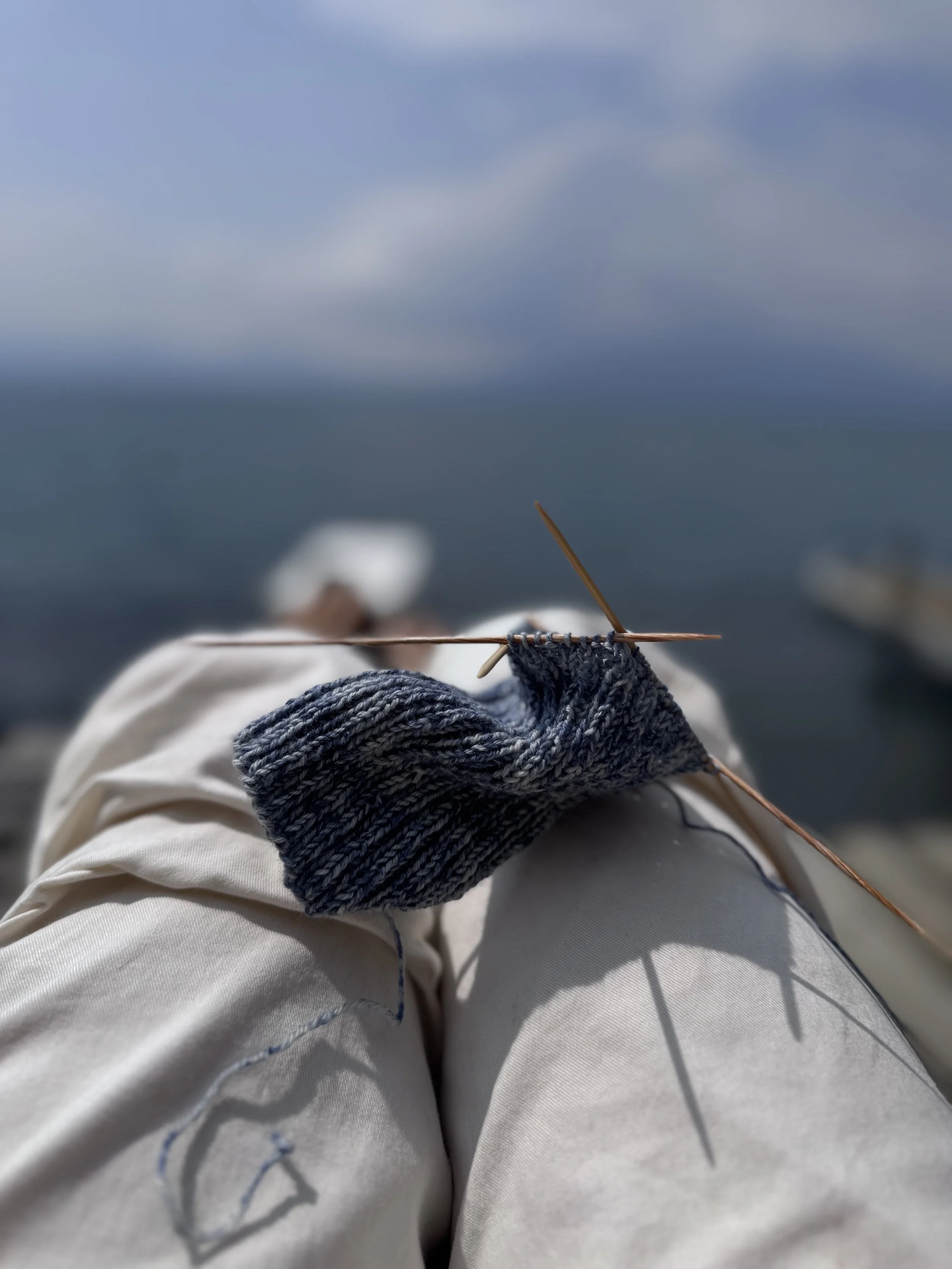
Perfect Fit Sock pattern/yarn by Purl Soho
I have received articles from friends as well as spent time reading the scientific research on “knit therapy” as I like to call it. Sure enough, there is evidence which increasingly supports what many knitters experience firsthand. Studies show that repetitive, rhythmic activities like knitting activate the parasympathetic nervous system, which helps regulate stress responses and lower physiological arousal. This can lead to improved mood, reduced anxiety, and better sleep quality.
Knitting also engages several cognitive systems at once, including working memory, sequencing, and fine motor coordination - a brain inspiring trifecta! Activities that require a level of sustained and focused attention have been linked to enhanced cognitive resilience and a reduced risk of cognitive decline in later life. While knitting may not raise your heart rate or replace cardiovascular exercise, its neurological and psychological benefits are becoming more widely recognized.
If you do not knit, do not worry. Knitting is simply a part of a broader group of gentle activities that support emotional regulation and cognitive health through similar mechanisms. Practices such as drawing, gardening, baking, woodworking, needlepoint, and long form journalling have shown comparable effects, particularly when they involve repetition, pattern recognition, or tactile engagement. These activities can promote a state of relaxed focus, sometimes referred to as flow, which is associated with improved emotional stability, reduced rumination, and increased overall wellbeing.
Understanding this may help you recognize that you already have a calming practice in your life, even if it does not involve yarn. And if not, perhaps this is the year to find one.
While I am no doctor, I know that knitting, journalling, gardening, or any other quiet craft cannot replace healthy eating, regular exercise, adequate sleep, and appropriate medical care. But it seems these practices can play a meaningful supporting role. They can make room for steadiness, creativity, and calm in a world that will inevitably include both joys and challenges.
As we step into 2026, with or without a resolution, I hope you start to notice the habits that help you feel well and make space for whatever practice brings you a sense of ease, one stitch or one moment at a time.